Your Money. Secure Payments. Our Priority.
We’re committed to giving Canadians a trusted, secure way to pay.
From tap to transfer, security is built into every step.
Whether you’re tapping with Interac® Debit at the grocery store or using Interac e-Transfer® to send money to a friend or small business, every transaction is backed by advanced security technology and trusted Canadian banking practices. We work hand-in-hand with your financial institution to help keep your money safe, so you can send and receive money and pay with confidence.
Do you have a problem that could be fraud-related?
If you need help with a transaction, contact your financial institution directly.
How Interac Works to Protect Your Payments
- Interac Debit
- Interac e-Transfer
- Interac Direct via KONEK
Interac Debit
Built-in protection, every time you pay
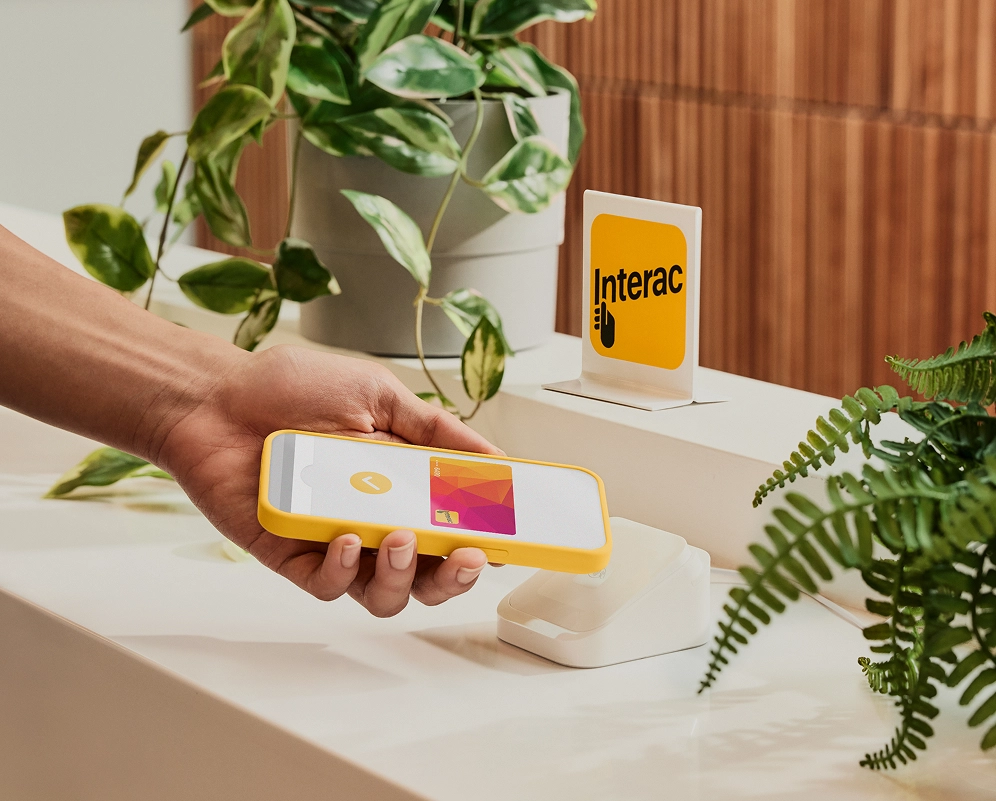
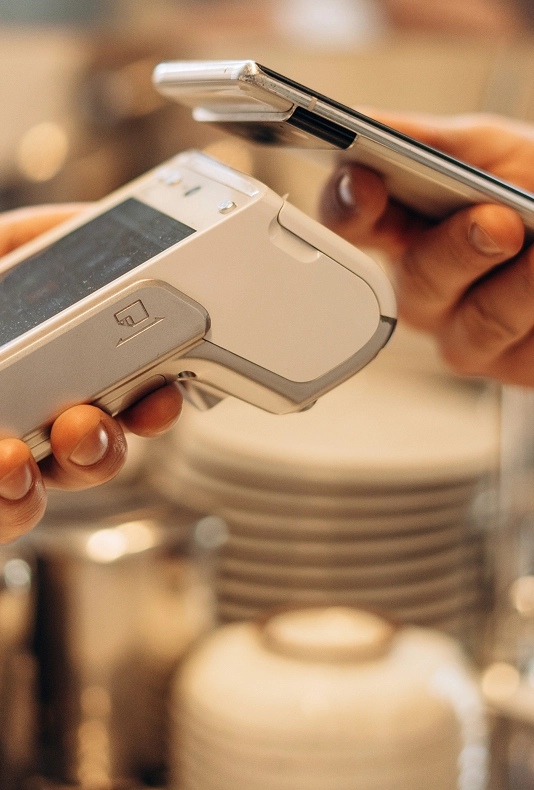
When you pay with Interac Debit, you’re protected by industry‑leading safeguards at every step. These protections are built in — whether you’re tapping for a quick contactless payment at your local store, or shopping online or in-app, withdrawing cash from an ABM, or making a Chip and PIN purchase in person.
Key protections include:
Tokenization for added protection
When you’re shopping on your phone, Interac Debit uses random codes called “tokens” to complete a purchase, to hide your sensitive details and help prevent fraud.
Interac Zero Liability Policy
This policy is designed to protect customers who have been targeted by scams related to their Interac Debit card. Your bank or credit union may reimburse you if it finds that a fraud incident was beyond your reasonable control and you have met the criteria, in accordance with your client agreement.
EMV® Chip Technology*
Every transaction is encrypted and unique, making it extremely difficult to copy or counterfeit your card.
Transaction and contactless spending limits
Built‑in spending limits for contactless payments
help reduce your risk if your card is lost or stolen.
Interac e-Transfer
A secure way to send and receive funds
As one of the world’s safest digital money transfer services, Interac e-Transfer offers Canadians the bank-grade security they expect. The transfer happens over secure payment networks that banks use. Money never travels by email or text (only the payment notification and deposit instructions do). Every transaction is encrypted and monitored by a dedicated team that works 24/7 with banks and credit unions to prevent fraud.
Tip: When you use Interac e-Transfer to send money, the recipient’s name will appear before you confirm if they have Autodeposit enabled. Pause there and confirm you’re sending the funds to the right person.

Here’s how we help protect every transfer:
Bank-grade security
Funds are transferred from the sender’s financial institution to the recipient’s using secure payment networks and encryption technology that hides your sensitive details.
No sharing of sensitive
banking information
Neither the sender nor receiver will ever see the other party’s banking details. And you only need the recipient’s email or phone number to send money.
Interac e-Transfer Autodeposit
For added convenience and security, if you register an email address or mobile number for the Autodeposit feature, funds arriving via Interac e-Transfer will go directly into your account, without the need for a security question and answer.
Two-step authentication
If Autodeposit isn’t enabled, recipients must first log in to online banking (with a username/password, Touch ID or Face ID) and then answer a security question that only they and the sender know.
How to use Interac e-Transfer safely
Security is a shared responsibility. Here’s how you can help protect yourself:
Unexpected Interac e-Transfer notification?
If you receive an Interac e‑Transfer notification you weren’t expecting:

Confirm with the sender using a different communication method.

If it’s from someone you don’t know, don’t click any links or respond.

Report suspicious messages to phishing@interac.ca.
If you think you’ve been a victim of fraud, contact your financial institution and the Canadian Anti‑Fraud Centre immediately.
Interac Direct® via KONEK™
Fast, secure payments from your bank account
Exclusively available with the KONEK e-commerce payment solution, Interac Direct lets you pay online at participating merchants in Canada directly from an eligible account (which can be a chequing, savings or line of credit account, or credit or debit card, depending on merchant acceptance). Sign in using your online banking login credentials from your participating financial institution.
When you use Interac Direct your account information stays private, and your payments are protected by the same security measures you already trust from your financial institution.

Security measures include:
Bank-level authentication
Payments are authorized through your financial institution’s secure login and consent process.
Built-in privacy
Your banking information is never shared with the merchant or with Interac.
Tokenization for added protection
Interac Direct uses tokenization to hide your sensitive details and help prevent fraud.

Stay ahead of scammers
Visit our Fraud Tips & Tricks page and learn about red flags to watch out for.
Each transaction matters
For more than 40 years, Interac has been your partner in helping protect your payment transactions — so you can have confidence in your everyday transactions.
Stay aware, check trusted sources for information, and report fraud.
Need Help?
Contact your bank or credit union if there’s an issue with a current transaction. For usage tips and other common questions, visit our FAQs.
Stay ahead of scams
Keep up to date with the latest insights and tips, including how to protect your finances and personal information. Sign up for our newsletter:
"*" indicates required fields
*EMV is a trademark of EMVCo. LLC, used under licence